Italian Wedding Soup: Unpacking the "Married" Dish History
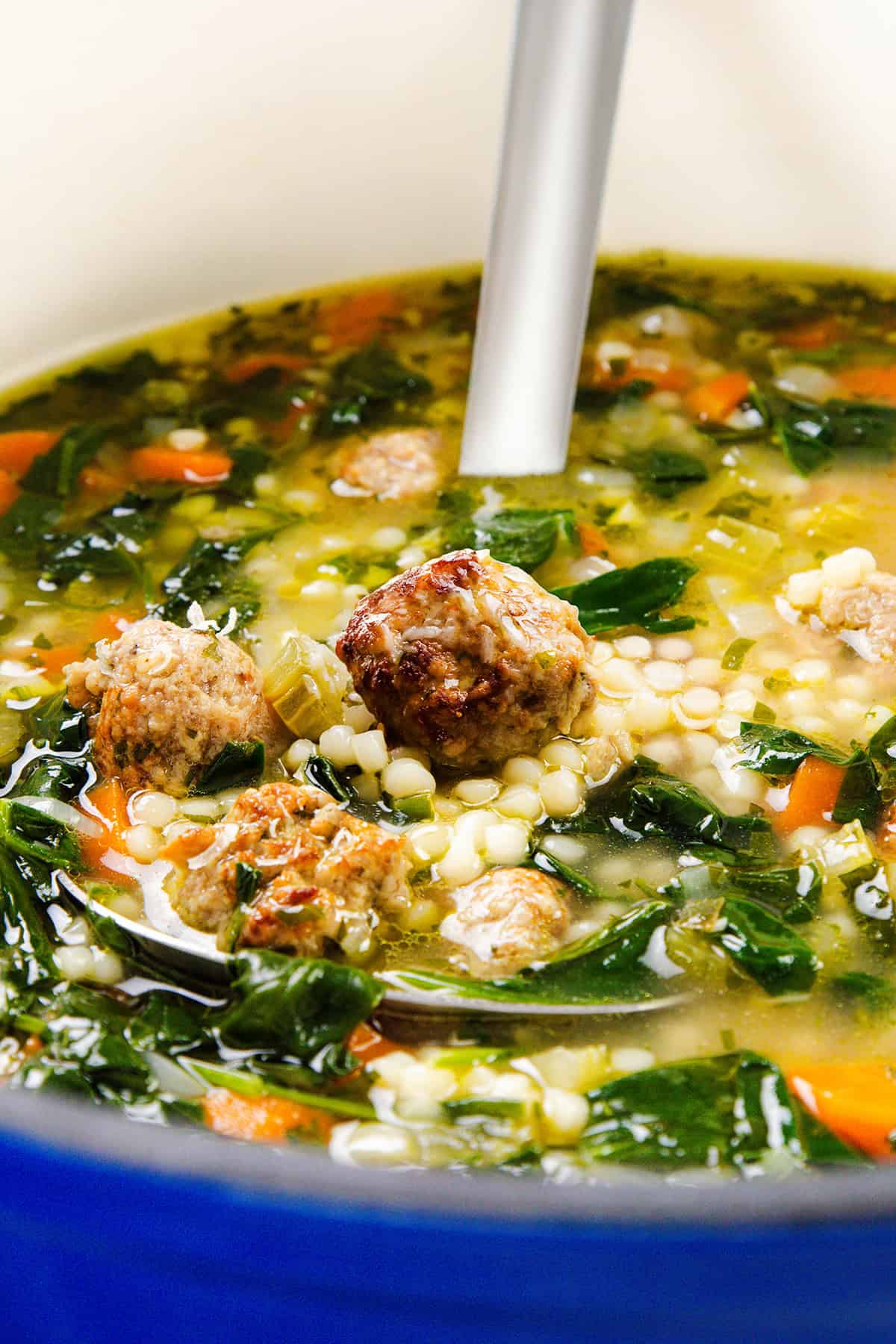
Italian Wedding Soup, or *Minestra Maritata* as it's known in its homeland, is a beloved comfort food cherished by many. This hearty, flavorful soup, brimming with tiny meatballs, tender greens, and small pasta in a savory broth, evokes a sense of warmth and home. While its English name might conjure images of grand Italian celebrations, the truth behind "wedding soup" is far more charming and rooted in the humble kitchens of Southern Italy. Far from being a ceremonial dish, its appeal lies in a beautiful, culinary "marriage" of ingredients that work together to create a symphony of flavors.
The True Meaning Behind "Minestra Maritata"
The journey of Italian Wedding Soup from its Italian origins to its popular English designation is a tale of linguistic nuance. The name we've come to know and love, "Italian Wedding Soup," is actually a delightful mistranslation of the original Neapolitan phrase, *Minestra Maritata*, which literally translates to "married soup." But what exactly is getting "married" here? It's not a bride and groom, but rather the harmonious union of the soup's diverse components.
In Southern Italy, *Minestra Maritata* refers to a dish where the vibrant flavors of leafy greens (like escarole or chicory) are perfectly "married" with the rich taste of meat, often pork or beef, simmered together in a robust broth. This culinary marriage results in a balance where no single ingredient dominates, but rather each contributes to a greater, more complex flavor profile. Historically, this was a quintessential "peasant dish," born out of necessity and resourcefulness. Families would use readily available and inexpensive ingredients – often leftover meat scraps, garden greens, and simple pasta – to create a nourishing and incredibly satisfying meal. It embodies the essence of Italian cucina povera (poor kitchen cooking), transforming humble ingredients into something extraordinary. This tradition of maximizing flavor from simple means continues to make **Italian wedding soup** a timeless favorite.
What Makes a Perfect Italian Wedding Soup? Deconstructing the Components
The enduring appeal of Italian Wedding Soup lies in its carefully chosen and perfectly balanced ingredients. Each element plays a crucial role, contributing to the soup's overall texture, aroma, and taste, creating a truly satisfying experience.
The Hearty Broth
At the foundation of any great Italian Wedding Soup is a rich, flavorful broth. Traditionally, a chicken or even a mixed meat broth serves as the savory canvas upon which all other ingredients are painted. A well-made broth provides depth and warmth, infusing every spoonful with comfort. Some recipes might incorporate a touch of white wine during the cooking process to add an extra layer of complexity, elevating the broth from simple to sublime.
The "Married" Vegetables
The "greens" are perhaps the most vital component in the concept of the *Minestra Maritata*. While modern American versions often feature spinach, traditional recipes frequently call for slightly bitter greens like escarole or curly endive. These greens, once wilted in the hot broth, provide a lovely textural contrast and a subtle counterpoint to the richness of the meat. Carrots, celery, and onions, sautéed until tender, form the aromatic base, adding natural sweetness and earthy notes that deepen the soup's flavor. The combination of these vegetables is essential for achieving the classic balance.
Miniature Meatballs: The Star of the Show
No **Italian wedding soup** would be complete without its signature miniature meatballs. These aren't just any meatballs; they are typically small, tender, and incredibly flavorful. Recipes vary, but often include a blend of ground meats – chicken, pork, beef, or a combination – mixed with breadcrumbs, Parmesan cheese, fresh parsley, garlic, and an egg to bind it all. Baking the meatballs rather than frying them can keep them lighter and prevent them from disintegrating in the broth, ensuring they stay perfectly bite-sized and moist. The size is key; they should be small enough to be scooped up easily with a spoon alongside pasta and greens.
Tiny Pasta Treasures
Adding substance and a delightful chew, small pasta shapes are another non-negotiable component. Orzo, ditalini, and acini de pepe are popular choices, their diminutive size ensuring they integrate seamlessly into the soup without overwhelming the other ingredients. The pasta cooks directly in the broth, soaking up its delicious flavors and thickening the soup ever so slightly. It provides that extra bit of heartiness that makes this soup a truly complete meal.
The Finishing Touches
A final sprinkle of freshly grated Parmesan or Pecorino Romano cheese over each hot bowl is not just decoration; it's an essential flavor enhancer. The salty, nutty notes of the cheese melt beautifully into the broth, adding a creamy richness. Fresh parsley, finely chopped and scattered on top, introduces a bright, fresh aroma and a pop of color, completing the sensory experience.
Crafting Your Own Bowl of Comfort: Tips for Success
Creating a truly memorable **Italian wedding soup** is an enjoyable culinary endeavor that doesn't require advanced chef skills. With a few key tips, you can master this comforting dish in your own kitchen.
Firstly, **quality ingredients matter**. While the soup has humble origins, using fresh, good-quality chicken stock or homemade broth will make a noticeable difference in the final flavor. Choose fresh, vibrant greens and good quality ground meat for your meatballs.
When it comes to the **meatballs**, resist the urge to overmix the meat mixture. Overmixing can lead to tough meatballs. Gently combine the ingredients until just incorporated. Baking your meatballs before adding them to the soup is an excellent technique; it ensures they hold their shape, cook evenly, and brown slightly, adding another layer of flavor. You can also make them slightly ahead of time.
For the **vegetables**, take your time sautéing the aromatics (onions, carrots, celery) until they are softened and fragrant. This step builds a foundational layer of flavor that permeates the entire soup. Add the greens at the very end of the cooking process – spinach will wilt almost instantly, while sturdier greens like escarole may need a minute or two longer. This prevents them from becoming mushy and retains their vibrant color and texture.
Regarding the **pasta**, remember that it will absorb liquid as it sits. If you're planning to make a large batch or leftovers, consider cooking the pasta separately and adding it to individual bowls just before serving. This prevents the pasta from becoming overcooked and ensures the broth doesn't get completely absorbed, keeping your soup at the perfect consistency. If you do cook it in the broth and notice the soup thickening in subsequent servings, simply add a splash more broth or water when reheating.
Finally, always **taste and adjust seasoning** before serving. The saltiness of your broth, cheese, and meatballs will all contribute, so adjust with salt and freshly ground black pepper as needed. A squeeze of fresh lemon juice can also brighten the flavors at the very end. This attention to detail will transform a good soup into a great one.
Beyond the Bowl: Storage, Freezing, and Serving Suggestions
One of the many wonderful attributes of **Italian wedding soup** is its versatility, extending beyond just the initial serving. It’s an excellent candidate for meal prep and future enjoyment.
For **storage**, once completely cooled, the soup can be transferred to an airtight container and refrigerated for up to four days. As mentioned, you might find that the pasta has soaked up a good deal of the broth, so don't hesitate to add a little extra broth or even water when reheating on the stove or in the microwave. This will bring it back to its original luscious consistency.
If you love the idea of having homemade comfort food ready at a moment's notice, Italian Wedding Soup is wonderfully **freezer-friendly**. Ladle the cooled soup into individually portioned zip-top freezer bags or freezer-safe containers. Freezing it flat in bags helps save space and allows for quicker thawing. It can be stored in the freezer for up to three months. To enjoy, simply thaw overnight in the refrigerator, then gently reheat on the stovetop, adding extra broth as needed. For more detailed insights on preparing this dish for future enjoyment, check out our guide on
Make-Ahead Italian Wedding Soup: Comforting & Freezer-Friendly Tips.
While Italian Wedding Soup is incredibly satisfying on its own – truly a meal in a bowl – it pairs beautifully with simple accompaniments. A warm, crusty dinner roll or a slice of artisanal bread is perfect for soaking up every last drop of the flavorful broth. A light side salad with a vinaigrette dressing can also provide a refreshing counterpoint to the richness of the soup. Whether you're making it for a quick weeknight dinner or a leisurely weekend meal, its appeal is undeniable. For a faster approach to this beloved dish, explore our tips in
Easy Italian Wedding Soup: Meatballs, Pasta & Greens in Under an Hour.
Conclusion
Italian Wedding Soup, with its intriguing name and rich history, is so much more than just a soup. It's a testament to the Italian culinary philosophy of creating deeply flavorful and nourishing dishes from humble ingredients. The "marriage" of tender meatballs, fresh greens, and delicate pasta in a savory broth makes it a comforting classic that transcends cultural boundaries. Whether you're exploring its historical roots or simply savoring a warm bowl, this beloved dish promises a comforting and satisfying experience every time.